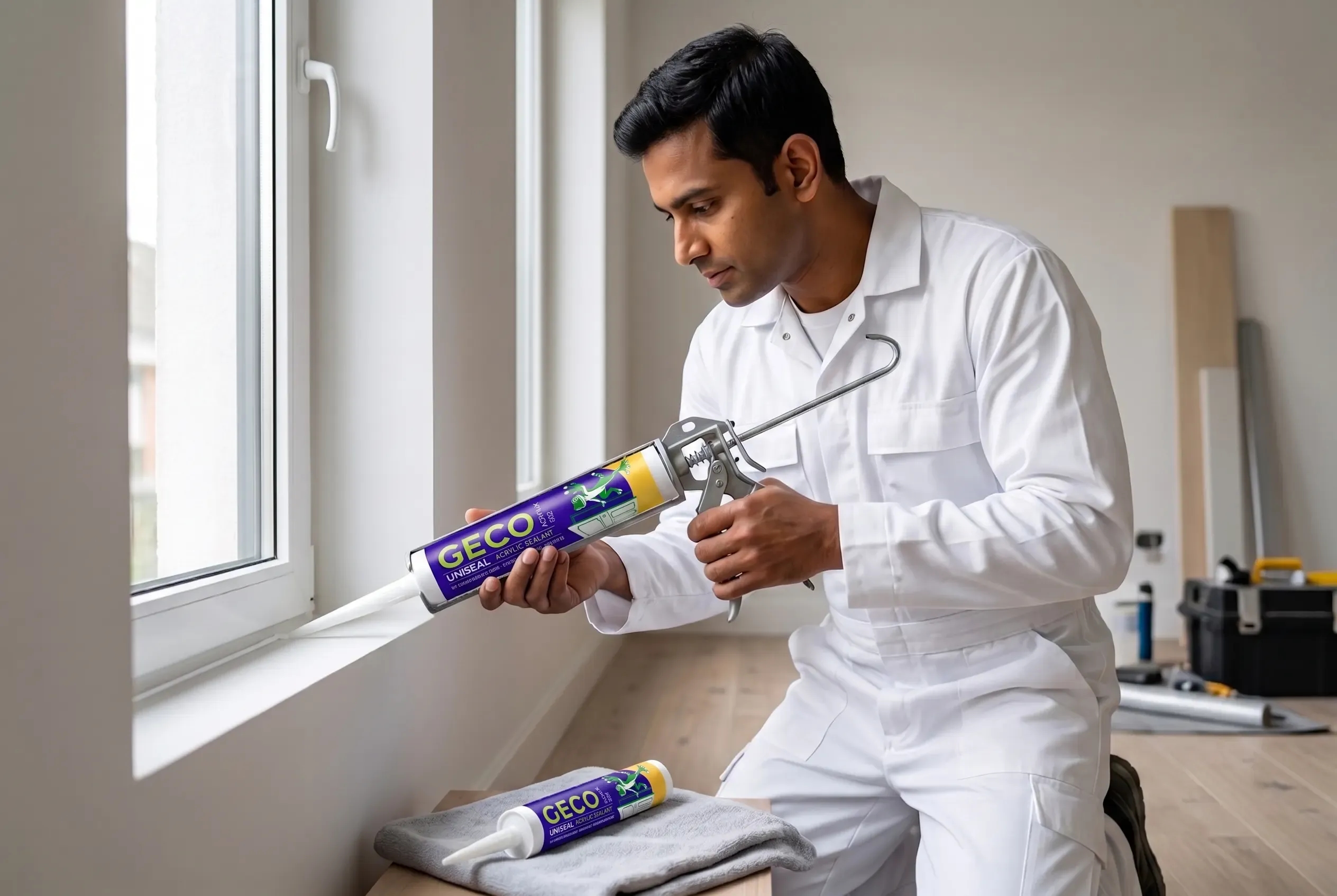
What Is Acrylic Sealant? A Complete Guide for Beginners
30 July 2026Acrylic sealant is a versatile, paintable gap-filler that seals the small joints, cracks, and surface openings behind a clean interior finish. It is the quiet detail that makes good work look great.
Introduction
On any build or renovation, the finish is judged in the details. A gap around a frame, a shadow line along the skirting, a hairline crack in the wall — small things, but they are the first things the eye lands on. Acrylic sealant exists to make those details disappear.
It is the go-to for painters, contractors, and homeowners because it is made to be painted over. Where some sealants stay rubbery and stand apart from the surface, acrylic sealant sits flush, takes your topcoat, and blends into the finish as if the gap was never there.
Understanding Acrylic Sealant
Acrylic sealant is a water-based sealing compound built to fill narrow gaps and joints on indoor surfaces. It grips readily to the materials you meet on site every day — plaster, concrete, brick, drywall, wood, and painted surfaces — which makes it a dependable all-rounder for repair and finishing work.
Once it cures, it forms a neat transition between surfaces and softens the look of cracks and gaps. Because it accepts paint, it becomes part of the wall rather than a line drawn across it — an invisible foundation for the finish on top.
Where it is Used
Reach for acrylic sealant wherever appearance matters as much as function: around door and window frames, along skirting boards and ceiling lines, across wall cracks, panel joints, and the small interior gaps that give a room away.
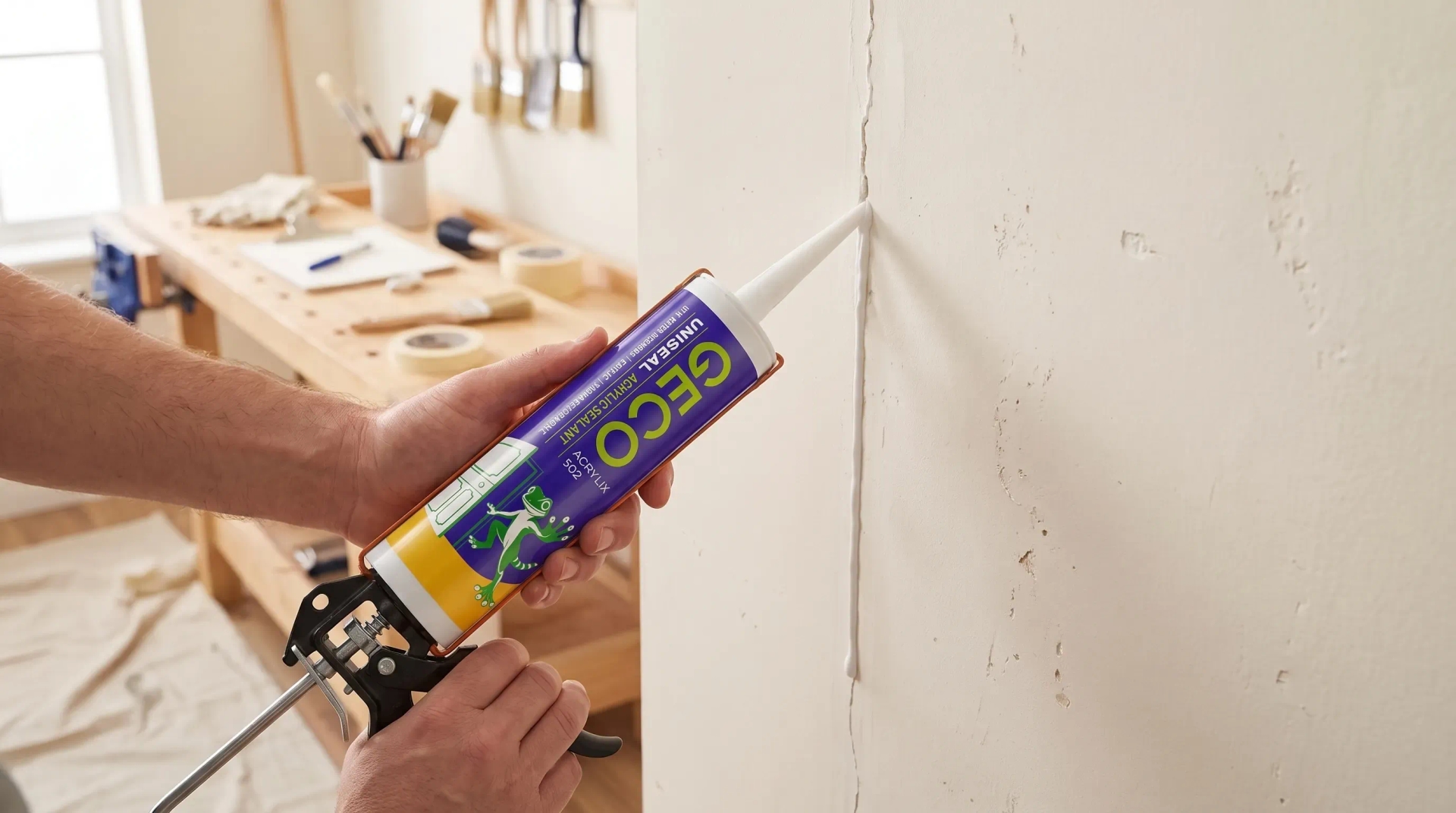
It also shines during renovations, when tired surfaces need a quick, tidy touch-up before painting. Instead of major reconstruction, a steady bead and a smooth finger deliver a professional-looking result in minutes.
Why People Choose It
The first reason is simple: it is easy to work with. Load it into a standard sealant gun, lay a bead, smooth it with a basic tool, and clean up with water while it is still fresh. No solvents, no fuss.
The second reason is paintability. Many sealants refuse a topcoat; acrylic sealant is chosen precisely because it welcomes one. Emulsion or interior paint goes straight over it, which makes it the natural pick for decorative and final-stage work.
Acrylic Sealant vs Silicone Sealant
Acrylic and silicone sealants both close gaps, but they are not interchangeable — each is engineered for a different job. Acrylic is the specialist for paintable interior joints and finishing; silicone earns its place where waterproofing and movement resistance come first.
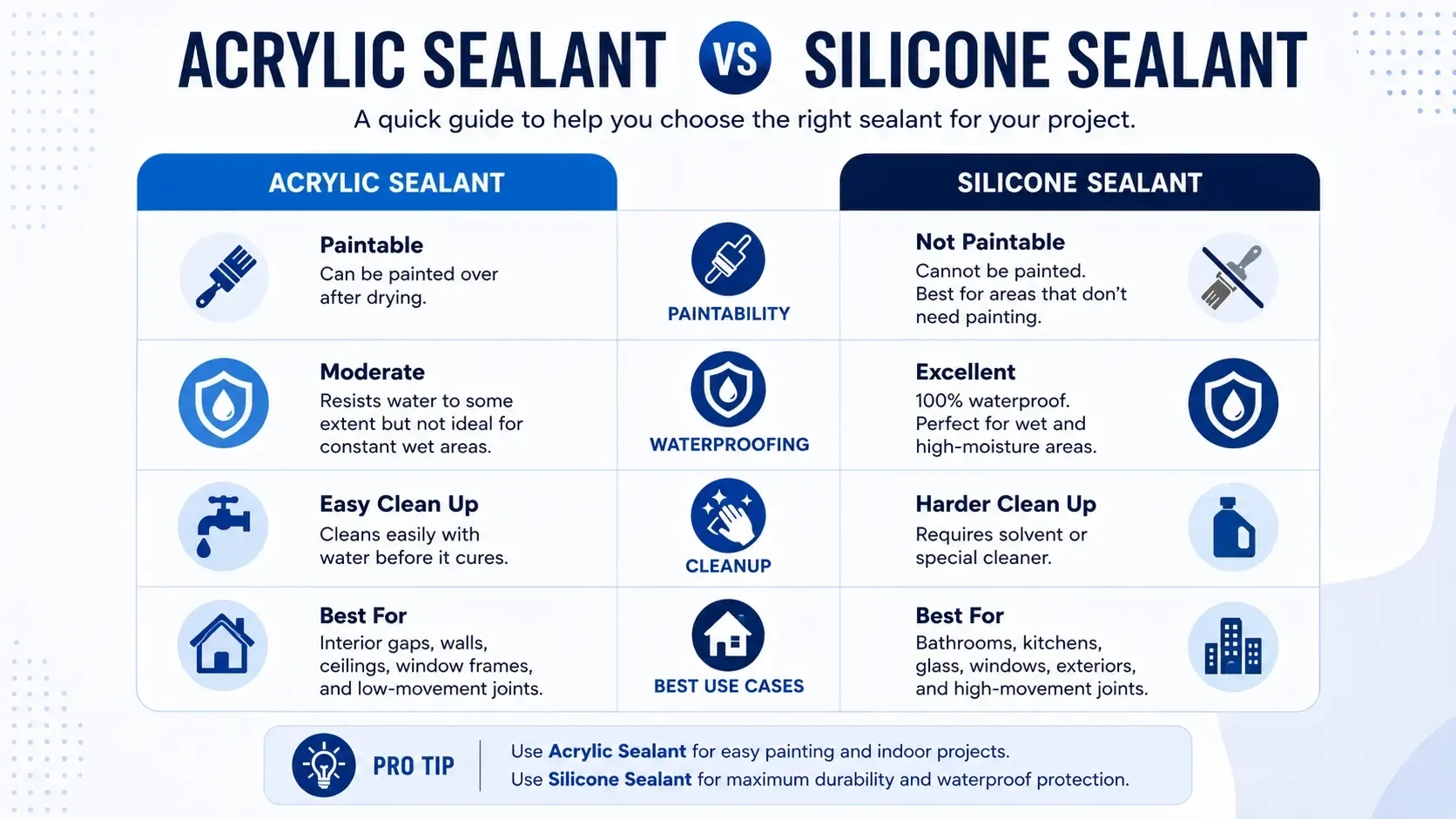
For most indoor decoration, acrylic sealant is the better fit — it supports a clean painted finish and stays out of sight. Keep silicone in reserve for moisture-heavy zones and joints that flex.
How to Use it Properly
Great results start before the sealant does. Make sure the joint is clean, dry, and free of dust, loose paint, grease, and any old, failed sealant. Good prep is half the finish.
Then run the sealant into the gap in one steady bead and smooth it so it makes full contact with both sides of the joint. Once it has cured, paint over it — provided the product is made for painting and you follow the manufacturer's instructions.
Common Mistakes to Avoid
Acrylic sealant does its best work in small, stable joints. It is not built for constant water exposure or wide, moving gaps, so match the product to the job.
The usual slip-ups are applying over dirty surfaces, packing it into gaps that are too wide, painting before it has cured, or expecting it to behave like a waterproof joint sealant. Each one invites cracking, poor adhesion, or early failure — all avoidable with the right prep and the right product.
Conclusion
Acrylic sealant is a small part of any project, but it decides whether a finish reads as amateur or professional. Used in the right places — paintable interior joints, skirting lines, frame gaps, and minor cracks — on a clean, dry surface, it delivers the seamless result that good decorating depends on.
That is exactly where Geco Uniseal Acrylix 502 earns its place. Engineered to grip cleanly on plaster, wood, drywall, and painted surfaces, it lays down smoothly from a standard sealant gun, tools up easily, cleans with water while fresh, and takes paint beautifully once cured — so your joints vanish into the finish instead of catching the eye. Like the gecko that inspires everything we make, it is built to hold quietly in the background, becoming the invisible foundation of a job well done.
Whether you are a contractor chasing a flawless handover or a homeowner tackling a weekend refresh, matching the right sealant to the right joint is what separates a quick fix from a lasting finish. Reach for Geco acrylic sealant on your interior finishing work — and keep a weatherproof or silicone option for the wet, high-movement areas where it belongs.