Why Do You Need Epoxy Grout In Your Kitchen And Bathroom
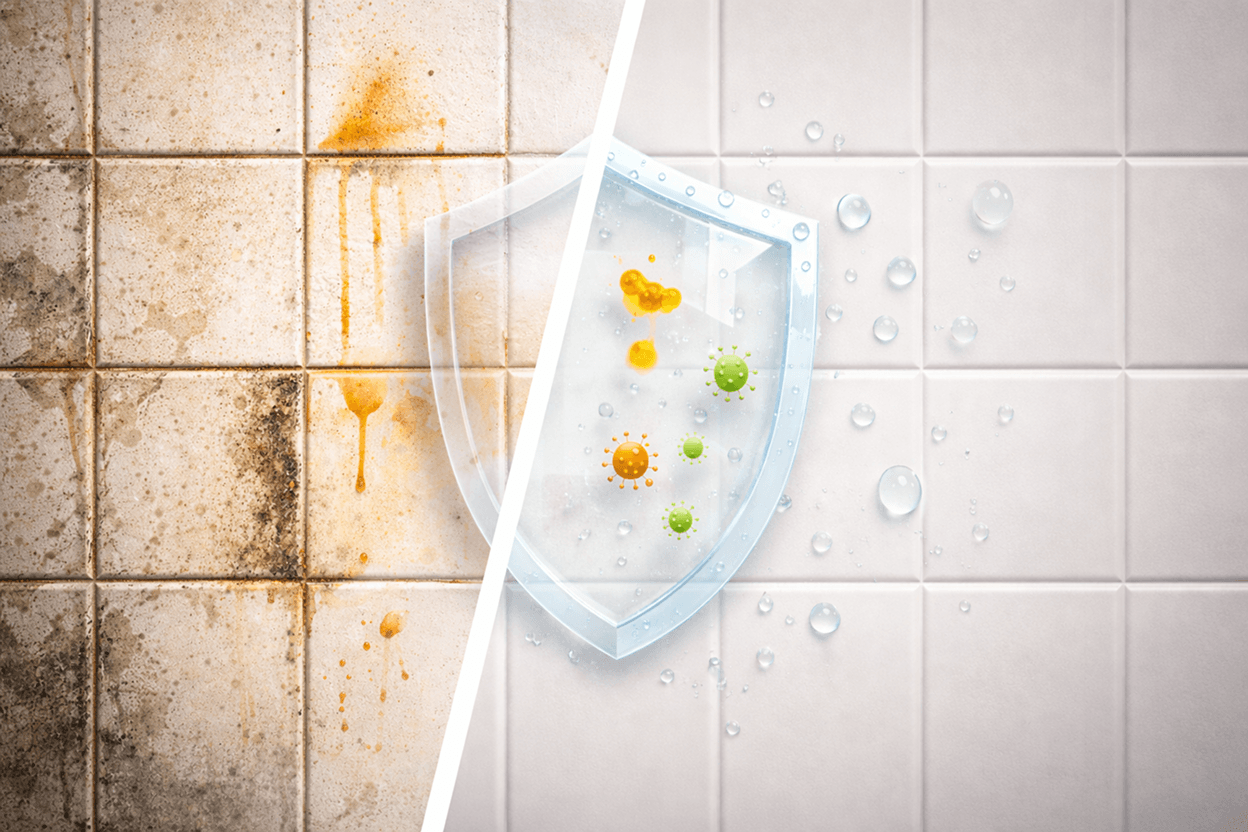
19 February 2026If you've ever tried to clean grout lines in a kitchen or bathroom and had little luck getting rid of stains, you know how limited standard cement-based grout is. Those dirty, discoloured grout lines are more than simply ugly; they show that your grout is soaking up moisture, oils, and dirt deep into its porous structure. Geco Jointfill Epoxy tile grout, on the other hand, is an option that completely gets rid of these difficulties.
Epoxy grout is a big change in how tiles are grouted. It is almost completely resistant to stains, water penetration, and the growth of microbes. Epoxy grout isn't simply a high-end update for kitchens and bathrooms, which are the two most demanding areas in any home. It's becoming the only choice for homeowners who want installations that look perfect for decades, not just months.
The Benefits of Non-Porous
The fact that epoxy grout is made up of different materials and has a different structure is what makes it work better. Even when sealed, traditional cement-based grouts are still naturally porous. If you look at them under a microscope, they look like a sponge with a lot of tiny pores and capillaries that are all connected. These tiny channels easily soak up liquids, letting water, oils, acids, and colourants go deep into the grout matrix.
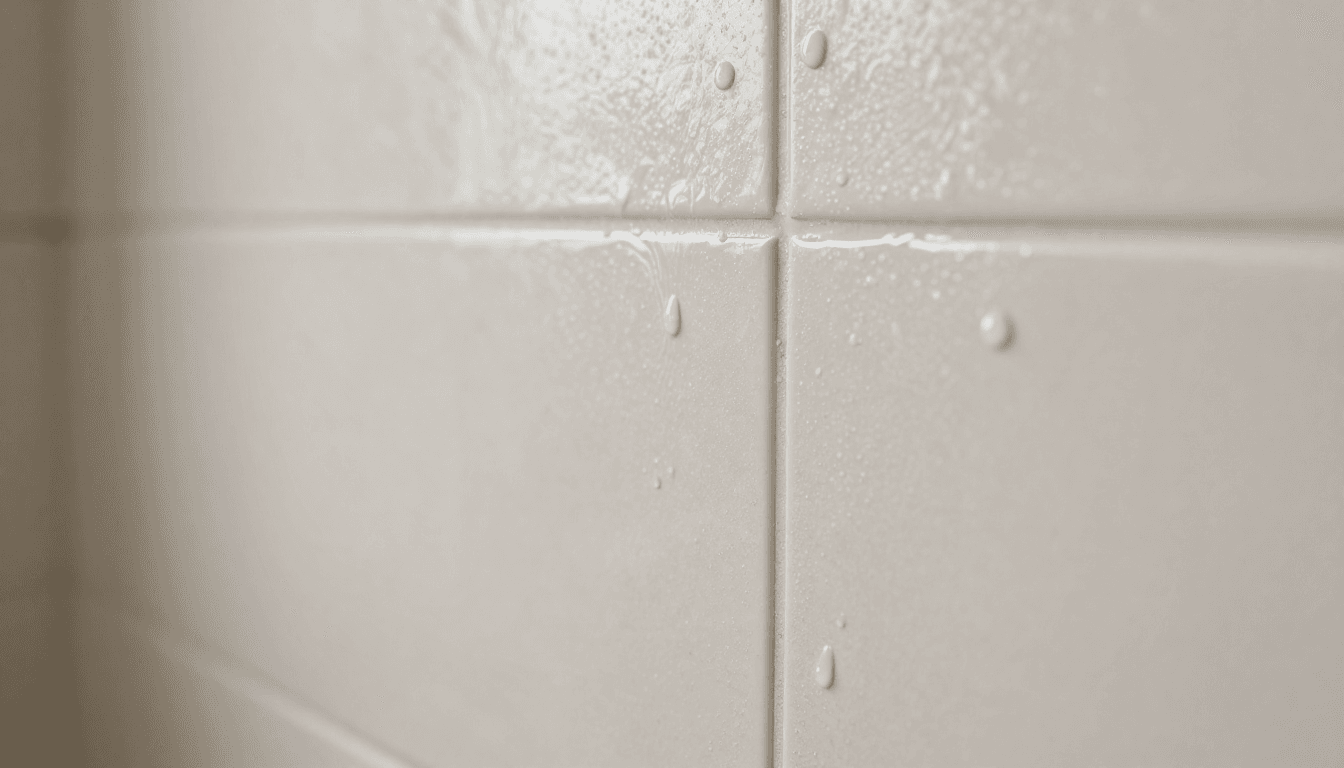
Epoxy grout, on the other hand, is made up of epoxy resins and hardeners that harden into a solid grout that is not porous. There are no holes that are connected, thus liquids can't get through. The end result is a surface that is entirely waterproof and keeps dirt and other impurities out.
Capillary motion pulls water or other liquids into cement grout, where they can discolour it, help bacteria thrive, and finally tear down the structure of the grout. When those same liquids touch epoxy grout, they just sit on the surface with nowhere to go. This makes it easy to clean up before any damage happens.
Total Water Resistance
Water is perhaps the biggest threat to traditional grout, because it's everywhere in kitchens and bathrooms. These areas get more moisture than any other part of the house because of regular showers, kitchen splashes, mopping, and steam. Because epoxy grout doesn't absorb any water, it keeps tiles completely dry. Water can't get through the grout to get to the substrate below, therefore there is no chance of water damage to subfloors, wall structures, or adhesive layers.
Epoxy grout will last forever in wet rooms and swimming pools, where tiles may be submerged or always wet. Even when sealed, traditional cement grout in these situations slowly breaks down because it is always exposed to moisture. Sealer coatings wear off, water gets in, and the grout breaks down and needs to be replaced after a few years. Epoxy grout will look and work the same way decades later in the same place.
Because epoxy grout is watertight, you can finish your project faster. Cement grout needs to be sealed once it sets, which adds days to the project timetable. Epoxy grout, on the other hand, is watertight right away. There is no time limit on how long you have to wait before using the shower or touching the surface with water.
Kitchens That Don't Get Oil And Grease
Epoxy grout is especially useful in kitchens because they have their own set of problems. Epoxy surfaces are easy to clean since cooking oils, grease splatters, and food stains that would permanently ruin cement grout just wipe away.
Think about putting tiles behind the cooker as a backsplash. Over time, cooking oils and grease particles build up on traditional grout in this area. These oils get into the porous cement structure, and over time the grout gets darker and yellower even though you clean it often. Strong degreasers can get rid of surface buildup, but they can't get rid of oils that have soaked deep into the substance. No matter how hard you try to clean it, the grout will eventually seem dirty and ruined.
The identical backsplash that was grouted with epoxy tile grout will always be in perfect condition. The non-porous surface won't let grease and oil through. A quick wipe with a moist cloth or a mild cleanser gets rid of all the dirt, making the grout look as good as it did when it was first put in. No yellowing, no gradual accumulation, and no lasting stains, no matter how much cooking goes on in that kitchen.
Chemical Stability and Acid Resistance
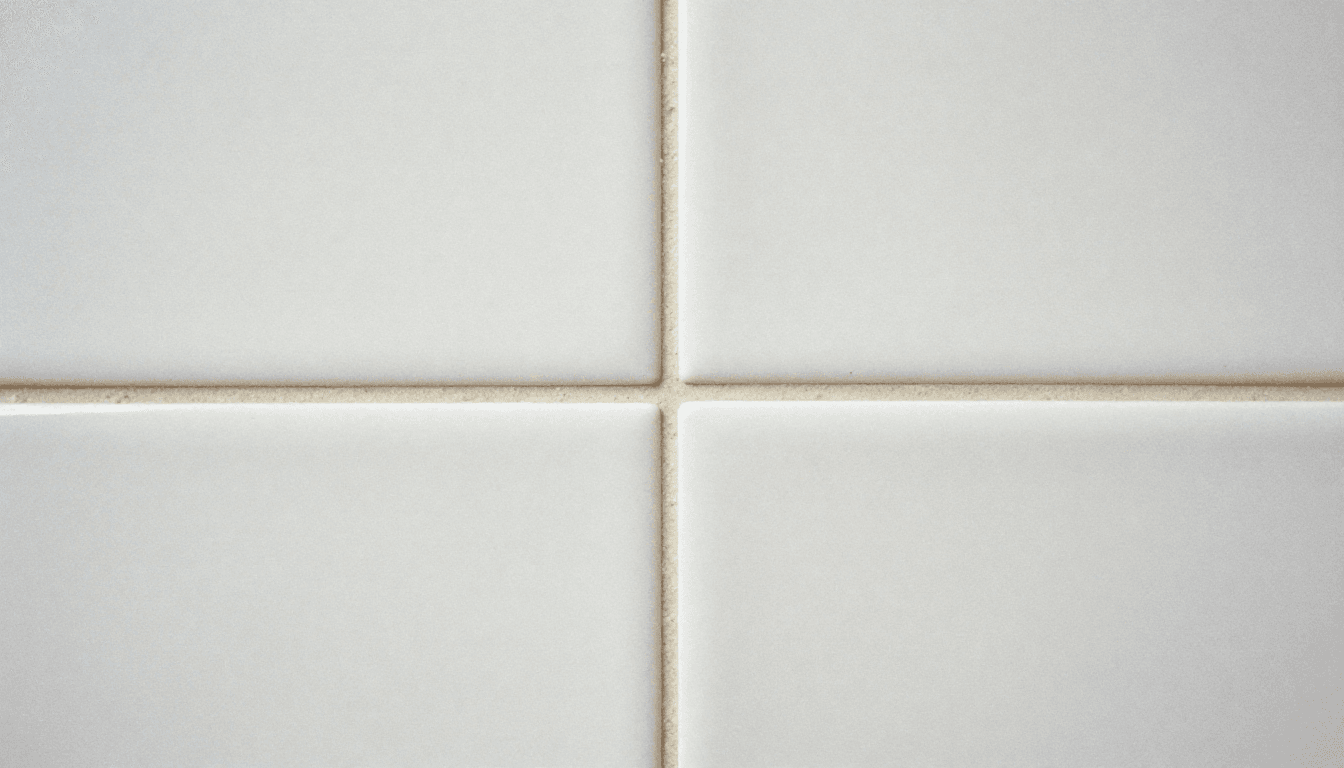
Grout in kitchens and bathrooms is exposed to acidic and alkaline elements that can etch, change the colour of, or break down typical cement grout. Because epoxy grout is chemically stable, it is very resistant to these typical home items.
Acidic foods and drinks are a part of everyday life in kitchens. Acids in lemon juice, vinegar, tomato sauce and orange juice can slowly wear down and change the colour of cement grout. This acid exposure makes the surface rougher over time, which makes it considerably more likely to discolour. The resin-based structure of epoxy grout is not affected by food acids, so it stays smooth and stain-resistant no matter what.
There are chemical problems that are unique to bathrooms. Grout surfaces come into contact with soaps, shampoos, conditioners, body oils, cosmetics, and cleaning products. Many bathroom cleaners are quite acidic or basic and are made to get rid of soap and mineral deposits. These cleansers are important, but using them too often will harm cement grout, making it discoloured and rough.
Epoxy grout doesn't break down when it comes into contact with bathroom chemicals and cleaners. You may use any cleaning chemicals you need to keep your bathroom clean without worrying about hurting the grout.
Resistant to Mould And Mildew
In addition to causing stains, the wetness in bathrooms and kitchens is perfect for mould and mildew to flourish. Mould spores can cause allergies and breathing issues, and mildew makes things smell bad.
Even while it seals, traditional cement grout still holds enough moisture in its porous structure to let microbes proliferate. The mould and mildew don't just grow on the surface; they also move into the pores inside. This is why using bleach to scrub only helps for a short time. You're getting rid of the growth on the surface, but not the colonies that have already formed in the grout. The colour change comes back in a few days or weeks.
Epoxy grout is fully non-porous, so it doesn't hold onto moisture like microorganisms need it to. There isn't enough room inside for mould and mildew to grow. If spores from the air land on a surface in a humid area, they can simply be wiped away because they don't have a place to grow below the surface. The growth can't set up shop, thus it doesn't come back after cleaning.
Enjoy the Benefits of GECO JOINTFILL EPOXY
Epoxy grout is not only a high-end solution for kitchens and bathrooms, but also the only one for homeowners who want tile & stone installations that stay beautiful and clean for decades, not just years. It doesn't stain, it doesn't let water in, and it doesn't let mould and mildew grow, so you don't have to worry about the annoying maintenance problems that come with regular cement grout. Epoxy grout's non-porous surface makes it easy to clean up spills of red wine, cooking oil, coffee, or continuous shower dampness. Your installation will appear as good as new when you're done.
When you're ready to see these benefits, GECO JOINTFILL EPOXY is the high-performance solution your kitchen and bathroom need. This high-performance epoxy grout is stronger and more beautiful than other types, and it can withstand water, stains, mild chemicals, and regular wear and tear. It's exactly what these tough areas need. Its bright joints stay clean and strong throughout time, keeping their colour and look without fading or changing colour like other grouts do. GECO JOINTFILL EPOXY makes tile maintenance easier by giving it a smooth, faultless polish, better adhesion, and easy upkeep. If you're working on a kitchen or bathroom project, use GECO JOINTFILL EPOXY and see why homeowners who switch wonder why they put up with stained, broken grout for so long.